
Najaf Technical Institute Discusses Graduation Projects of Students in the Department of Forensic and Judicial Evidence Technologies with Distinctive Academic Titles
Department of Media and Government Communication / Najaf Technical Institute
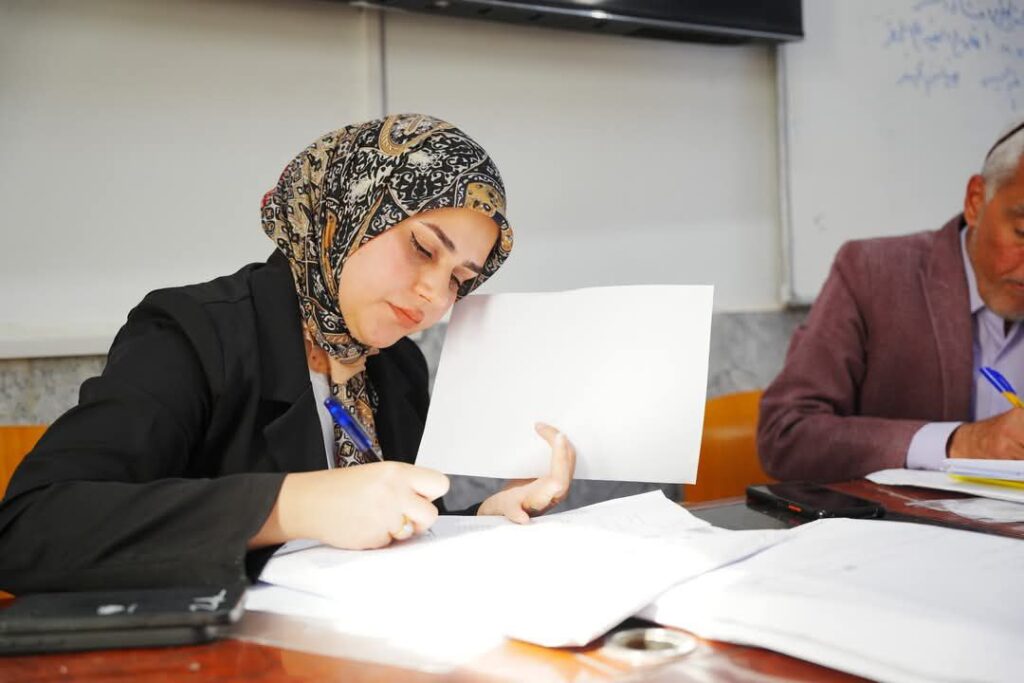
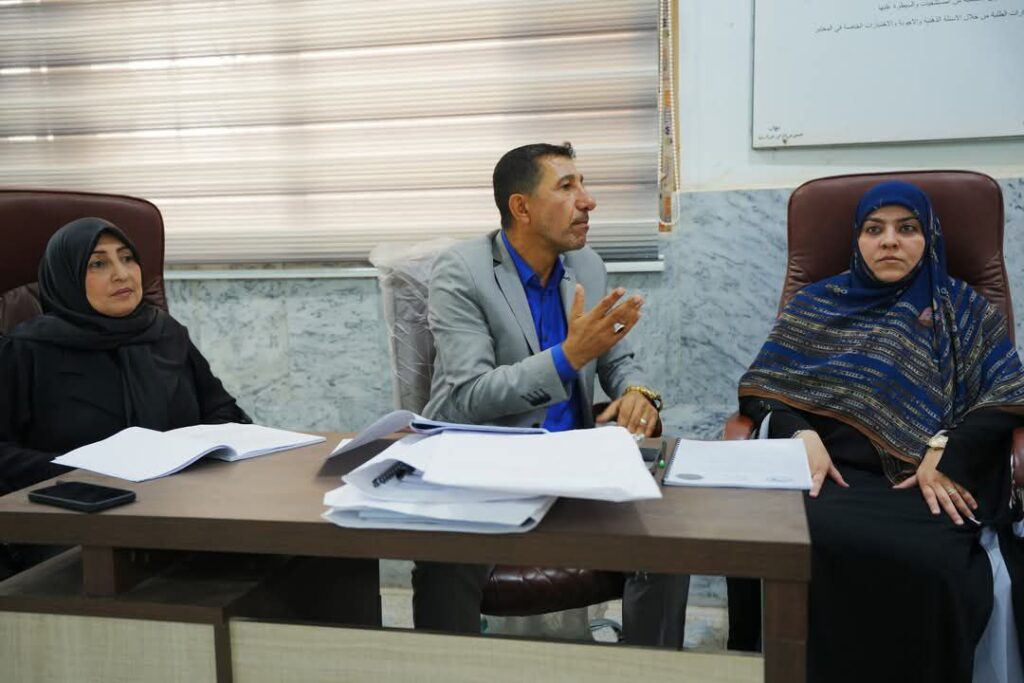
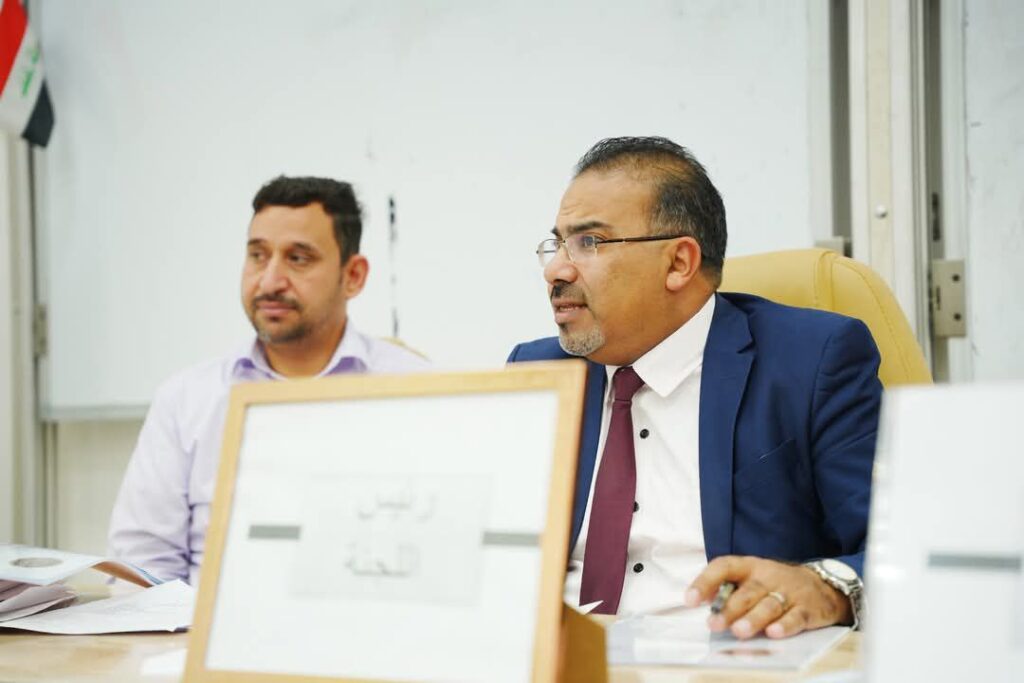
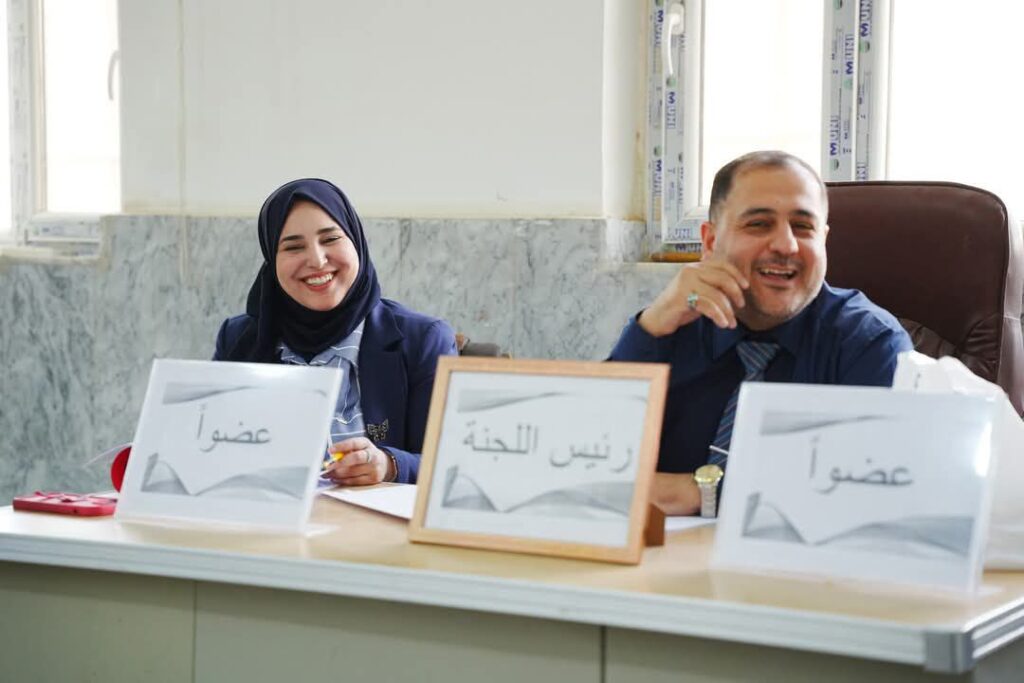
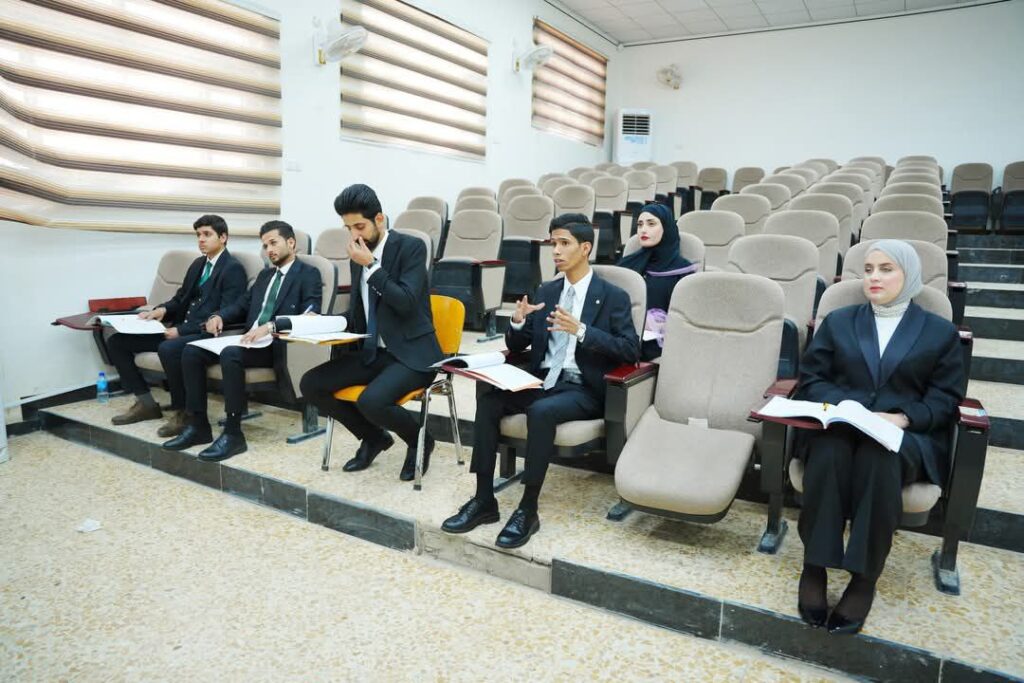
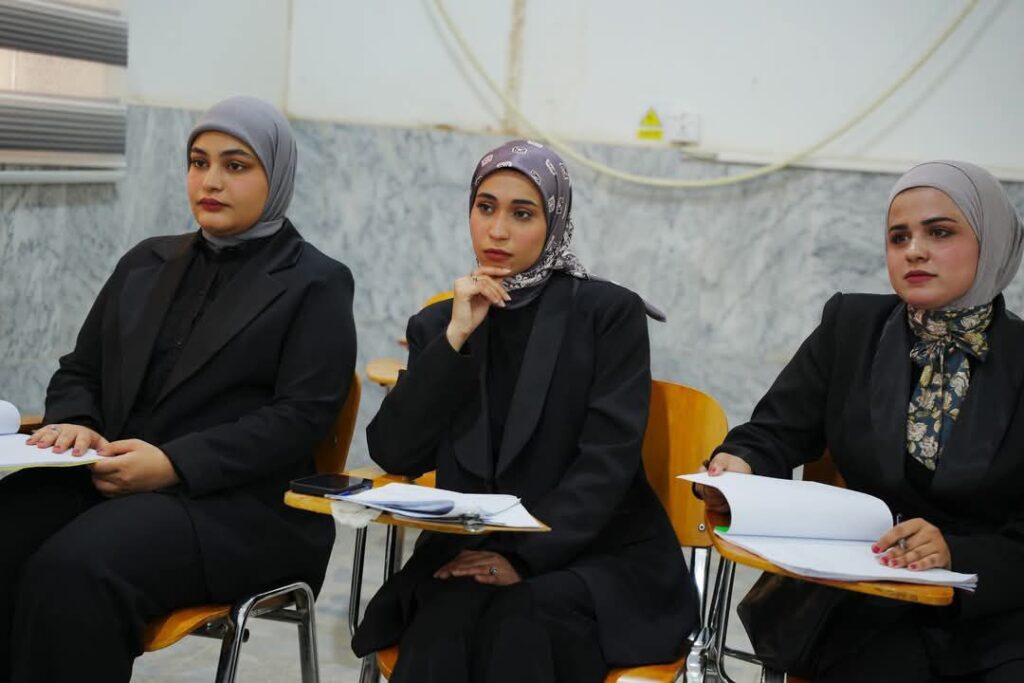
In a move that reflects the advanced academic approach to keeping pace with technical and legal developments, the Department of Forensic and Judicial Evidence Technologies at Najaf Technical Institute – a division of the Middle Euphrates Technical University – organized scientific discussion sessions for the graduation projects of second-year students. The sessions were held in an interactive scientific atmosphere and attended by professors and student groups.
This year’s projects were distinguished by their focus on contemporary issues that directly impact security and social realities. One research paper discussed the legal framework for artificial intelligence crimes, attempting to shed light on the legislative vacuum that plagues this field in light of rapid technological development. Another project addressed the impact of drug use on juvenile criminal liability, reviewing the psychological and legal dimensions of this phenomenon and its impact on perception and the integrity of criminal discrimination.
One research paper also addressed criminal liability for crimes of threat using electronic means, with a legal analysis of the legitimacy of adopting messages and conversations as evidence before the courts. In the field of technical evidence, a student presented a study on forensic photography mechanisms and its role in documenting and processing images within the context of forensic medicine applications. He emphasized the importance of visual documentation in supporting the stages of investigation and forensic analysis.
For his part, the Dean of the Najaf Technical Institute, Professor Dr. Haider Hassan Al-Abdali, expressed his pride in the advanced academic level demonstrated by the department’s students. He praised their efforts in addressing precise and contemporary legal issues and emphasized the importance of supporting these student initiatives, which contribute to enhancing the spirit of legal research and analysis among students and open up broader horizons for practical application in the professional field.
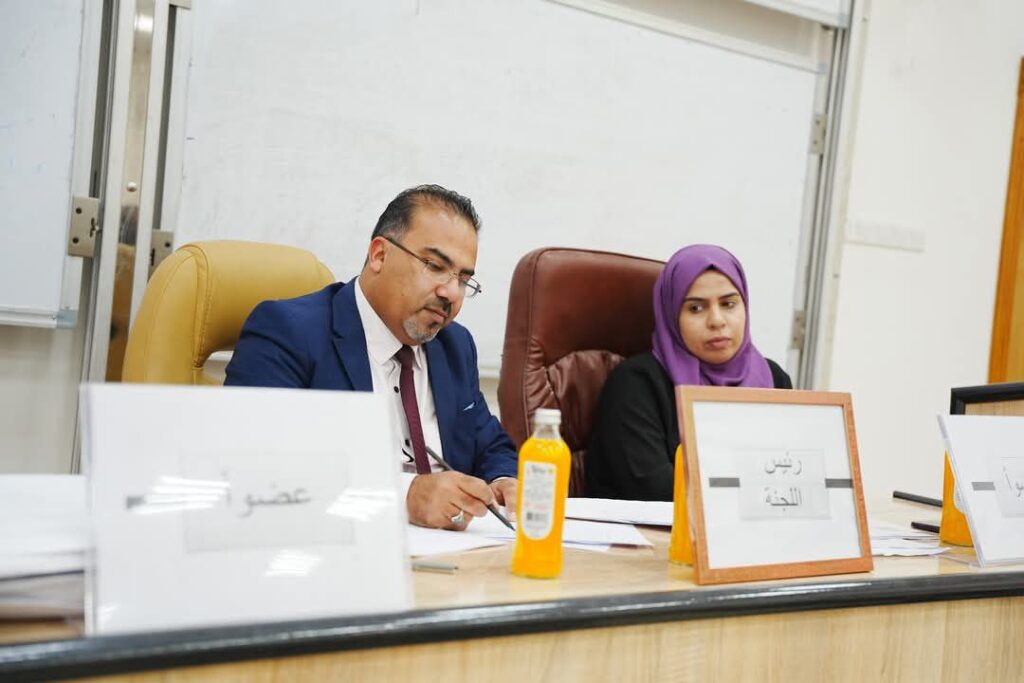
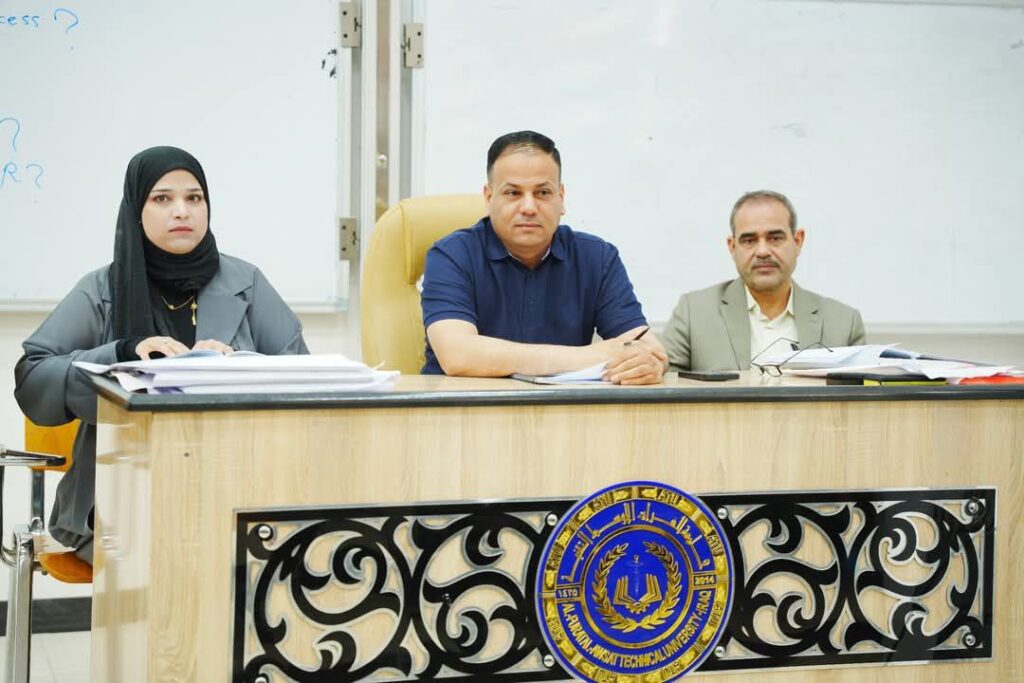
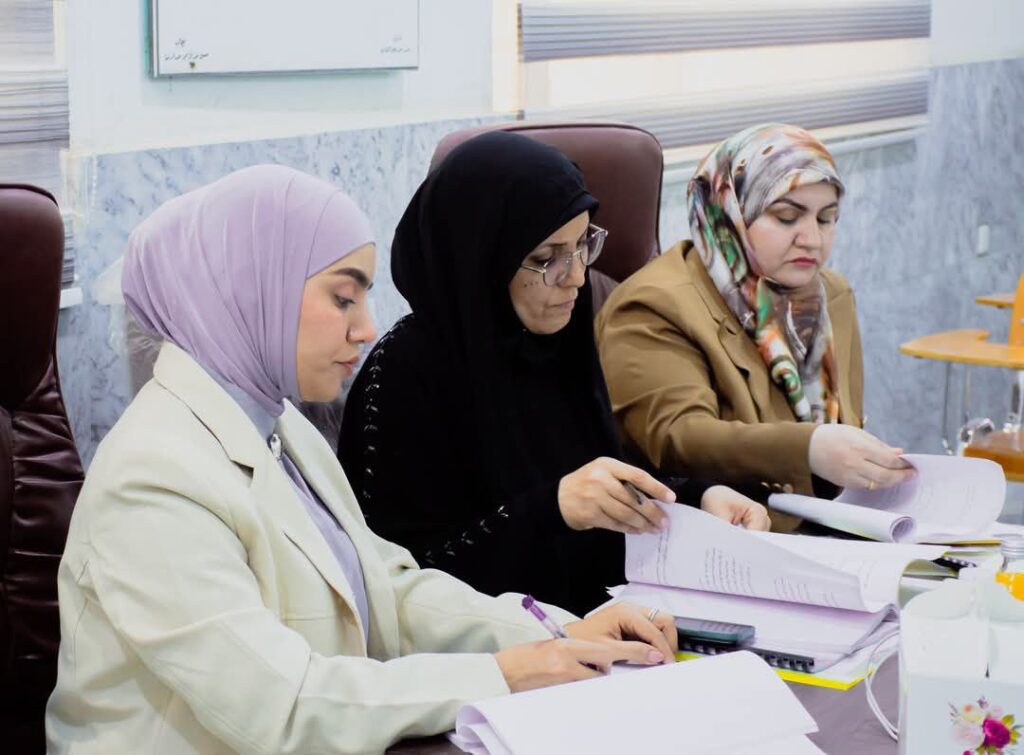
The Scientific Committee commended the advanced level demonstrated by the students in terms of their choice of topics, the precision of their scientific treatment, and their ability to link theoretical aspects with real-life applications. This reflects the department’s success in preparing qualified personnel capable of engaging in criminal and judicial work with high efficiency.
At the conclusion of the discussions, the students expressed their gratitude and appreciation to the Dean of the Najaf Technical Institute and the teaching staff, who provided them with excellent support and guidance during the preparation of their projects. They affirmed their aspiration to utilize this experience in the service of justice and society.
Najaf_Technical_Institute
Government_Media_and_Communications_Division