📋 About the Branch
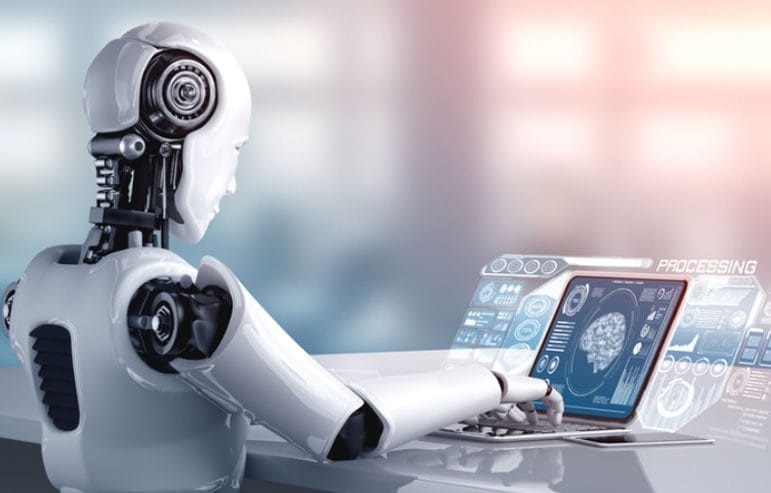
The Artificial Intelligence Technologies Branch specializes in the study and application of principles and methods that enable computers to simulate aspects of human intelligence through learning from and analyzing data and making intelligent decisions. The branch focuses on the theoretical and practical aspects of machine learning, deep learning, natural language processing, computer vision, and data analysis, with an emphasis on applying these technologies to the development of intelligent systems and software. The program aims to prepare qualified technical professionals capable of analyzing problems, designing intelligent solutions, and implementing practical projects that serve society and address the evolving requirements of the labor market. The Artificial Intelligence Technologies Branch was established as one of the new academic branches announced by Najaf Technical Institute in 2025, in response to the rapid global advancements in artificial intelligence technologies, digital transformation, and the growing demands of the labor market.
🎯 Vision, Message, Objectives, and Graduate Job Description
To develop specialized professionals capable of innovating and implementing intelligent solutions based on the latest artificial intelligence technologies, while contributing to the advancement of knowledge and software technologies and serving society and industry. The branch also seeks to establish a practice-oriented educational environment that promotes innovation, scientific research, and technological entrepreneurship.
-
1- To provide students with strong scientific and technical foundations in artificial intelligence, algorithms, and data analysis.
2- To develop students’ ability to analyze problems, select appropriate models and algorithms, and design practical and applicable solutions.
3- To familiarize students with programming languages, databases, data structures, and modern tools required for the development of intelligent systems.
4- To develop practical skills in machine learning, deep learning, natural language processing, and computer vision.
5- To train students to implement practical projects that apply artificial intelligence technologies in service, industrial, healthcare, security, and other fields.
6- To foster creative thinking, innovation, and technological entrepreneurship, while linking academic projects to the actual needs of the labor market.
7- To develop awareness of data security, privacy, and the responsible and ethical use of artificial intelligence technologies.
8- To support applied scientific research and encourage students and academic staff to develop innovative technological solutions that serve society.
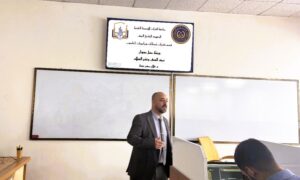
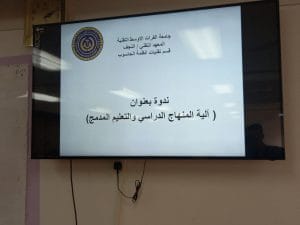
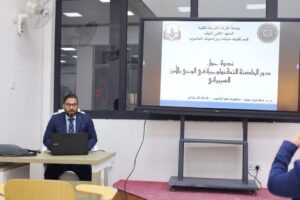
📷 Photo Gallery


Asst. Prof. Dr. Hassoon Salman Neama Hassoon
Head of the Software Engineering Technologies and Artificial Intelligence Department Position
inj.cst@atu.edu.iq📨