About the Department
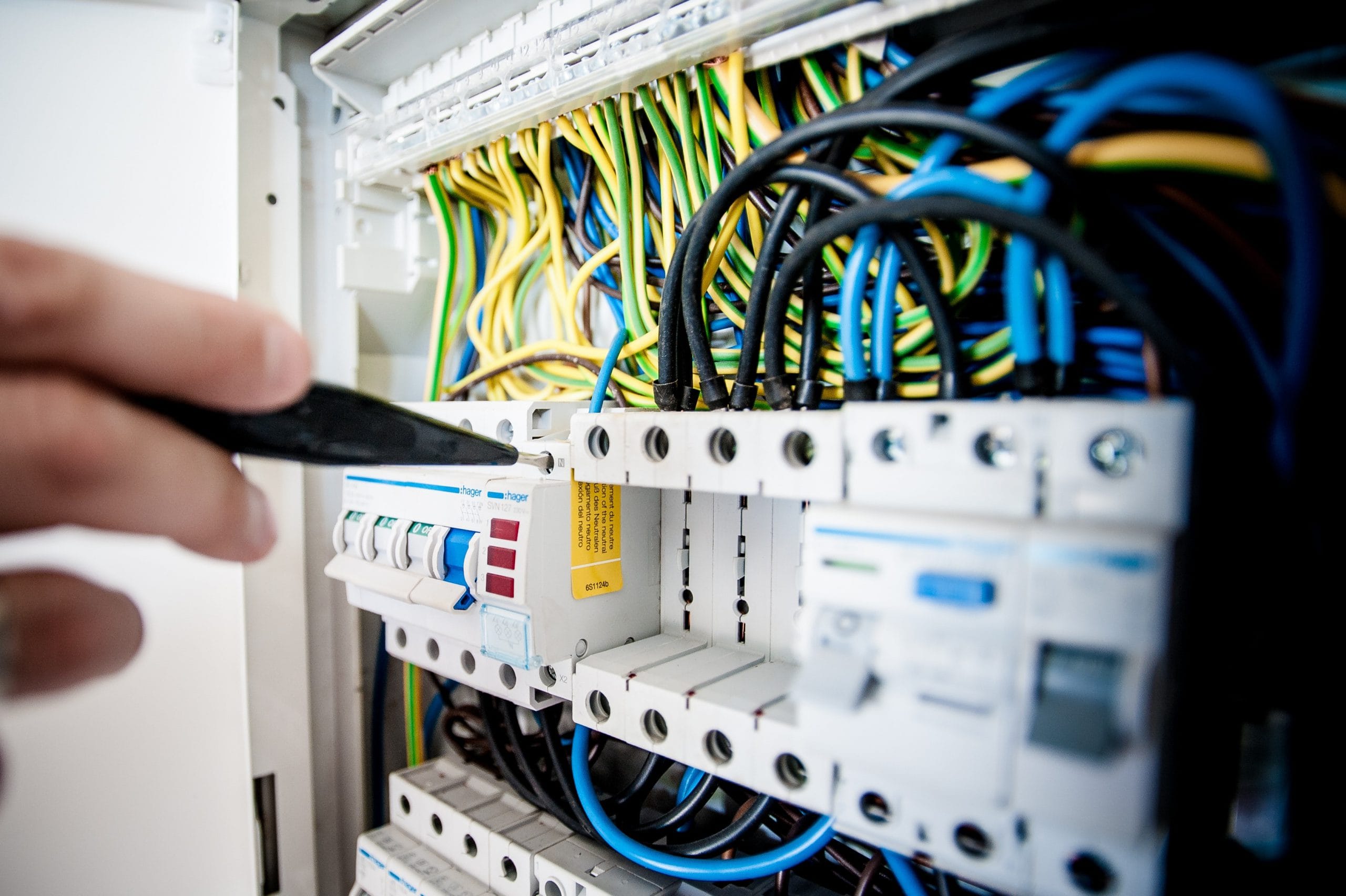
The Department of Electrical Technologies is one of the main technological departments at the Technical Institute / Al-Najaf. It was established at the founding of the institute in 1978 with the Electrical Installations Branch. As the department’s activities expanded and technical education developed, it grew to include two branches: Electrical Installations and Electrical Machines.
With the scientific advancements in the field of communications, the Communications Branch was introduced as part of the department. In 1987, the Electrical Installations and Electrical Machines branches were merged into a single branch called the Power Electrical Techniques Branch, which later became the core of the Department of Electrical Technologies.
To keep pace with the rapid technological development in the energy sector, and in line with the institute’s efforts to modernize its curricula according to global trends toward clean energy, the Renewable Energy Branch was established in the academic year 2025–2026.
Currently, the department includes two main branches:
1- Power Electrical Techniques Branch
2- Renewable Energy Technician Branch
Currently, the department includes two main branches:
1- Power Electrical Techniques Branch
2- Renewable Energy Technician Branch
Department Vision
Excellence in preparing qualified technical personnel in the field of Electrical Technologies, both scientifically and practically, to meet the needs of the labor market.
Department Mission
- Preparing qualified human resources scientifically and professionally in the field of Electrical Technologies, capable of competing in the labor market according to internationally recognized quality standards.
Objectives
- Develop technical education by updating curricula and modernizing laboratories according to internationally recognized good laboratory standards, and involve department staff in specialized training courses.
- Contribute to community service by organizing courses and workshops in various electrical applications, supporting construction and development activities with high-quality standards.
- Contribute to community service by organizing courses and workshops in various electrical applications, supporting construction and development activities with high-quality standards.
- Exchange theoretical and practical technical expertise with relevant technical institutes and colleges, as well as with the labor market in the private sector. .
- Provide a suitable and motivating environment for learning and training. .