

📋 About the Department
The Department of Civil Engineering Technologies was established in 1978 and comprises two branches: Building and Construction, and Surveying Technologies. The department aims to prepare qualified mid-level technical personnel possessing theoretical and practical skills in various fields of civil engineering. The department conducts field and laboratory work, provides engineering consultations, and prepares technical designs through the Institute’s Scientific and Consulting Services Office. More than (40) students graduate from the department annually, equipped with the technical expertise that qualifies them to work in diverse fields, most notably:
* Construction and implementation of buildings and engineering structures.
* Implementation of irrigation, drainage, water, and sewage network projects.
* Construction of roads and airports, and surveying and mapping work for various projects.
Furthermore, 20% of the top-ranking graduates are given the opportunity to continue their studies at Iraqi engineering colleges.
🎯 Vision, Message, Objectives, and Graduate Job Description
To achieve excellence and innovation in training technical personnel in the field of civil engineering technologies, both theoretically and practically, to meet the needs of the labor market.
- To develop technical work by updating curricula and modernizing laboratories according to internationally recognized Good Laboratory Practice (GLP) standards, and to involve department members in specialized training courses.
- To contribute to community service by conducting courses and workshops in various civil engineering applications and to advance construction and development at a high level of quality.
- To exchange theoretical and practical technical expertise with institutes and technical colleges with similar specializations and with the private sector job market.
- To provide a suitable and stimulating environment for learning and training.
- To provide engineering and technical consultations to all government departments and institutions, as well as the private sector.
1- Engineering Work: Preparing structural, electrical, mechanical, and plumbing drawings and plans using modern engineering drawing software (AutoCAD, etc.), and producing and formatting technical drawings for engineering projects according to approved specifications.
2- Construction and Field Work: Providing technical supervision of the execution of construction work for building, road, bridge, and service facility projects. Executing work related to construction, reinforced concrete, finishing, and plumbing and electrical installations. Monitoring the stages of implementation and ensuring that field work conforms to the technical plans and designs.
3- Surveying and Field Projects: Conducting and leading field surveying work using modern surveying equipment (Total Station, GPS, Level), processing survey data, and preparing maps and reports. Performing surveying and marking work and determining the boundaries and routes of road and infrastructure projects.
4- Laboratory Testing: Conducting laboratory tests on building materials, concrete, soil, and asphalt according to standard specifications (ASTM, AASHTO) and Iraqi standard specifications. Analyzing 5. Project Management and Quantity Surveying: Preparing bills of quantities, technical specifications, and execution plans. Organizing project schedules, calculating costs, and monitoring implementation phases.
6. Occupational Safety and Quality: Implementing occupational safety standards at work sites. Contributing to quality control and environmental management programs within construction projects.
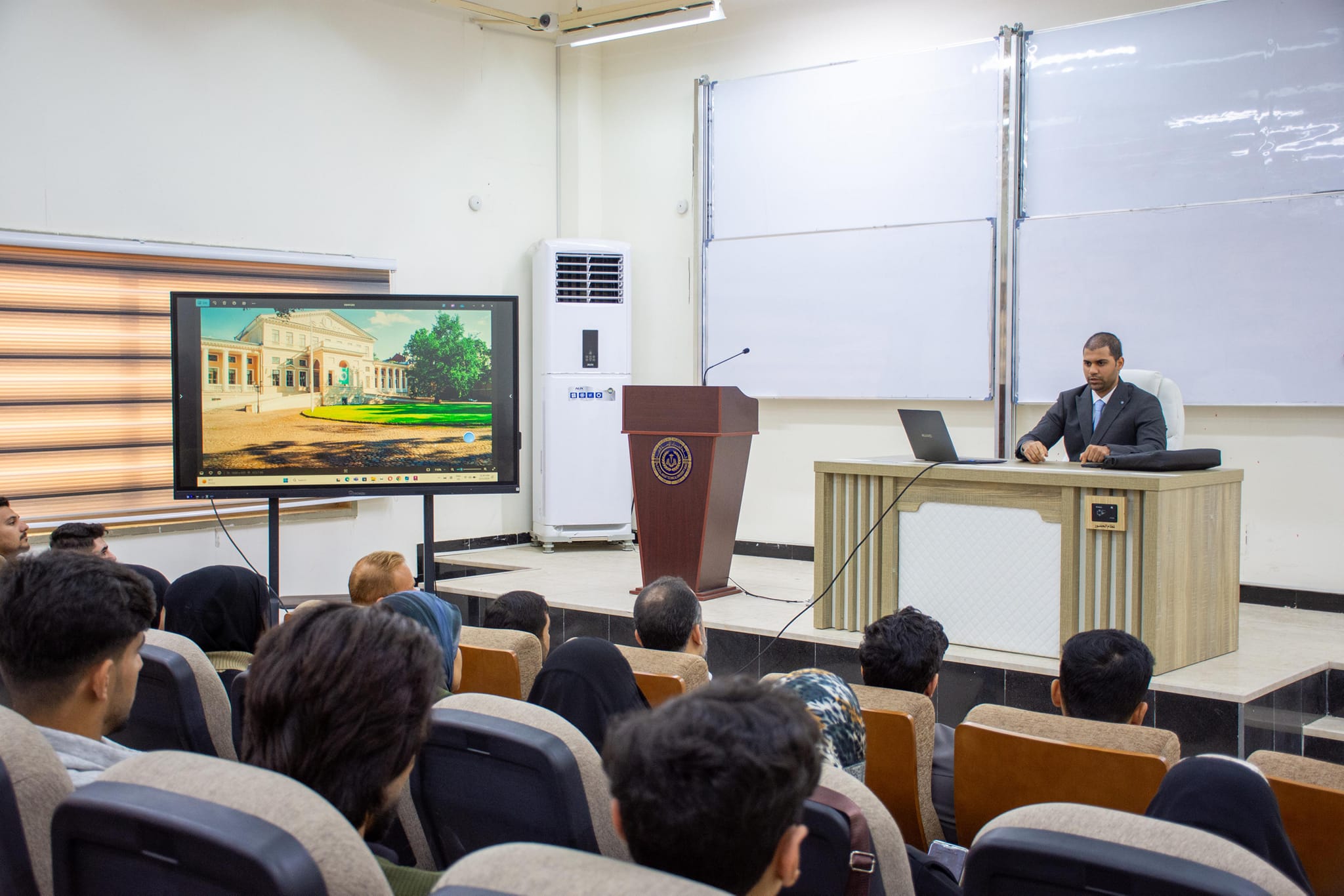
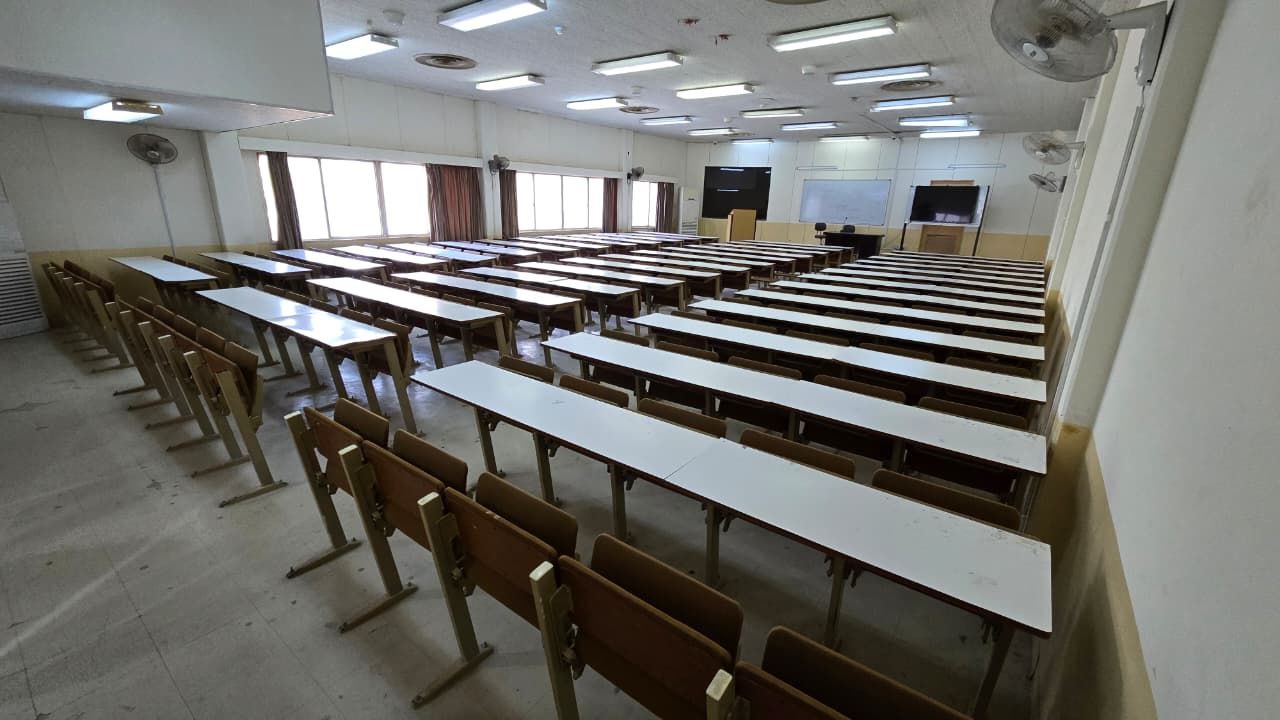
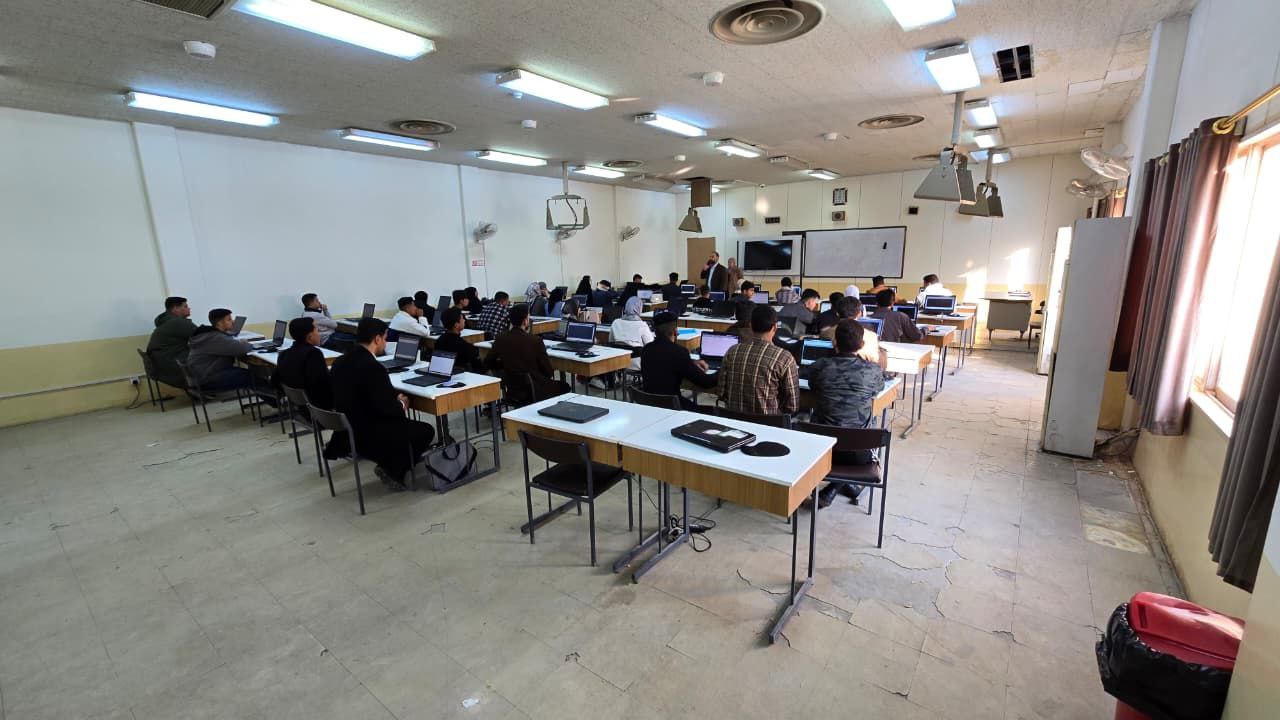
📷 Photo Gallery

Head of Department
Assist.Lect. Nabil Katfan Loti CivilengBS@atu.edu.iq📨


