
Government Media and Communications Department/Najaf Technical Institute
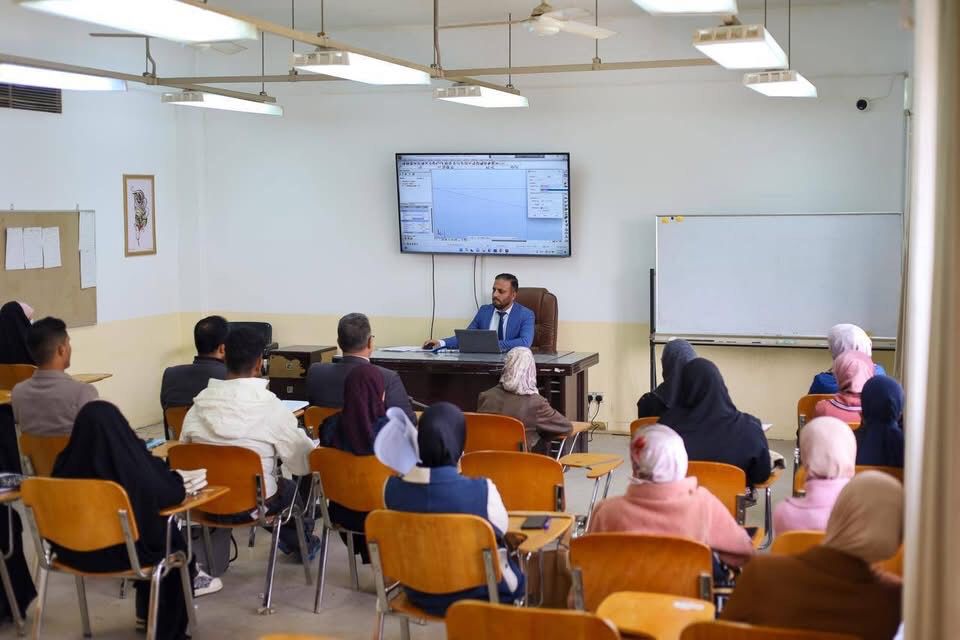
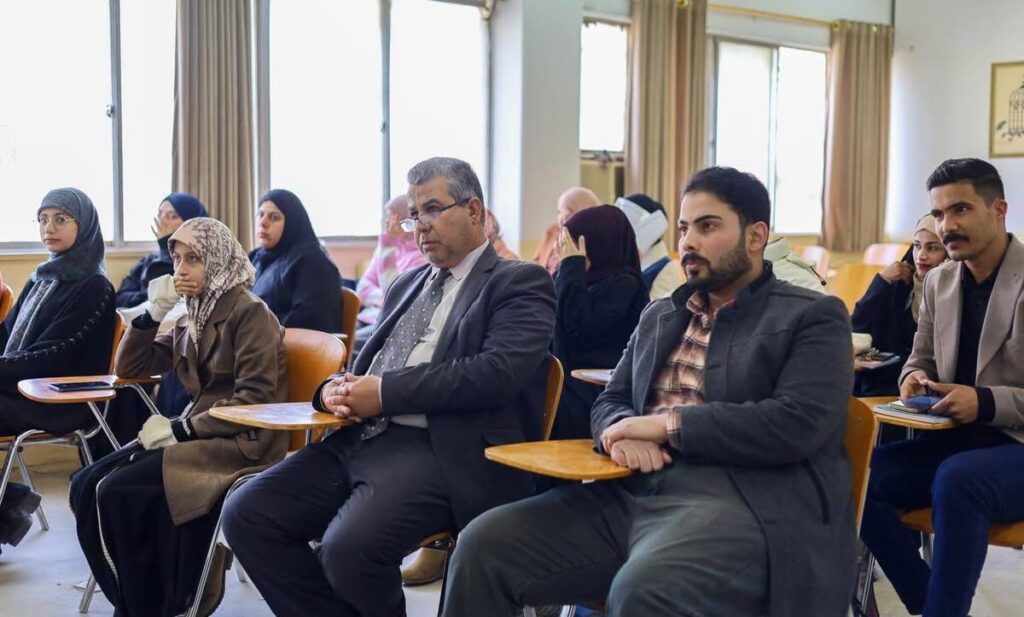
The Architectural Design and Decoration Department at the Najaf Technical Institute, in cooperation with the Rehabilitation and Employment Division, organized a planned scientific course entitled “Building Drawing and Design Using Building Information Modeling (BIM)” as part of the institute’s efforts to develop the skills of students and instructors in the field of digital architectural design. Dr. Ali Abdul Amirz lectured at the course. The course included a set of academic and practical topics aimed at enhancing participants’ knowledge of digital modeling programs and their use in building analysis and design. It included mastering the basics of 3D modeling, developing basic skills for drawing and designing buildings using modern modeling techniques, analyzing and designing buildings according to engineering standards, learning about analytical methods for designing architectural projects in accordance with local and international standards, producing executive plans and presentations, and preparing accurate executive documents and professional visual presentations to present designs in an integrated manner. The lecturer reviewed theoretical and practical aspects and explained in detail how to digitally model and analyze projects and present them in a professional manner that contributes to improving design quality and facilitating implementation. The course was attended by a number of instructors and students from various engineering disciplines, with participants engaging in scientific discussions that addressed building design mechanisms and methods. They analyzed the program and were given the opportunity to apply it practically to produce 3D models that reflect the concepts discussed during the course.
The Dean of the Institute, Professor Dr. Haider Hassan Abdul-Abdali, emphasized the importance of promoting the use of digital modeling techniques in building design and the need to create an environment that supports innovation and leadership in this field. He also pointed out that BIM is a vital tool for improving design accuracy and planning effectiveness, which contributes to developing the construction sector and meeting the demands of local and global markets.
In conclusion, this course represents a strategic step toward enhancing the technical capabilities in the field of digital architectural design among Najaf Technical Institute members. This contributes to preparing qualified personnel capable of adopting the latest technologies such as BIM, which aligns with global trends toward digitizing the construction industry and improving its efficiency and sustainability. This initiative is expected to have a tangible positive impact on the quality of architectural projects and the ability of graduates to compete in the evolving job market