
Division of Media and Government Communications/Najaf Technical Institute.
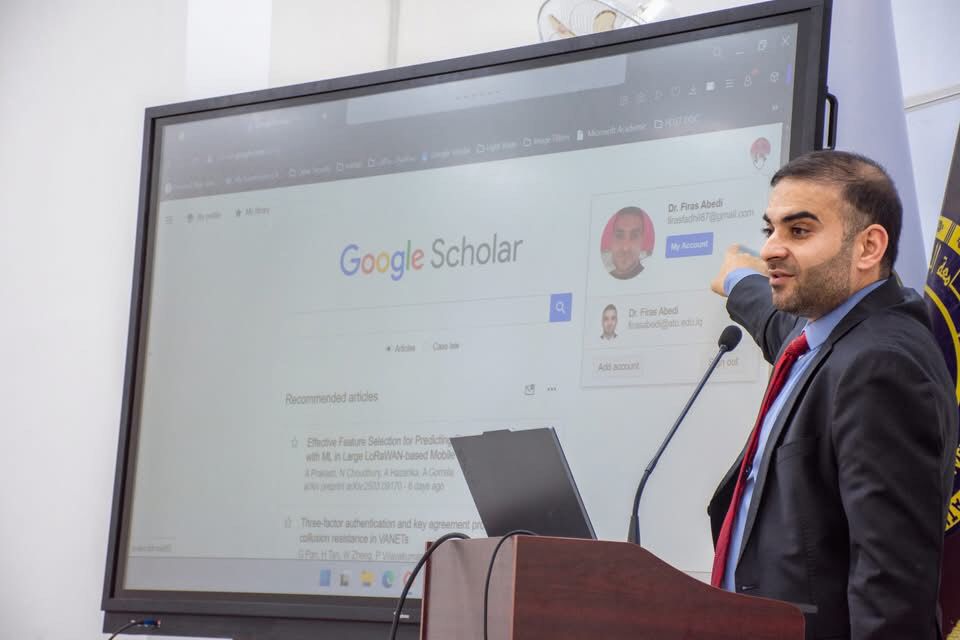
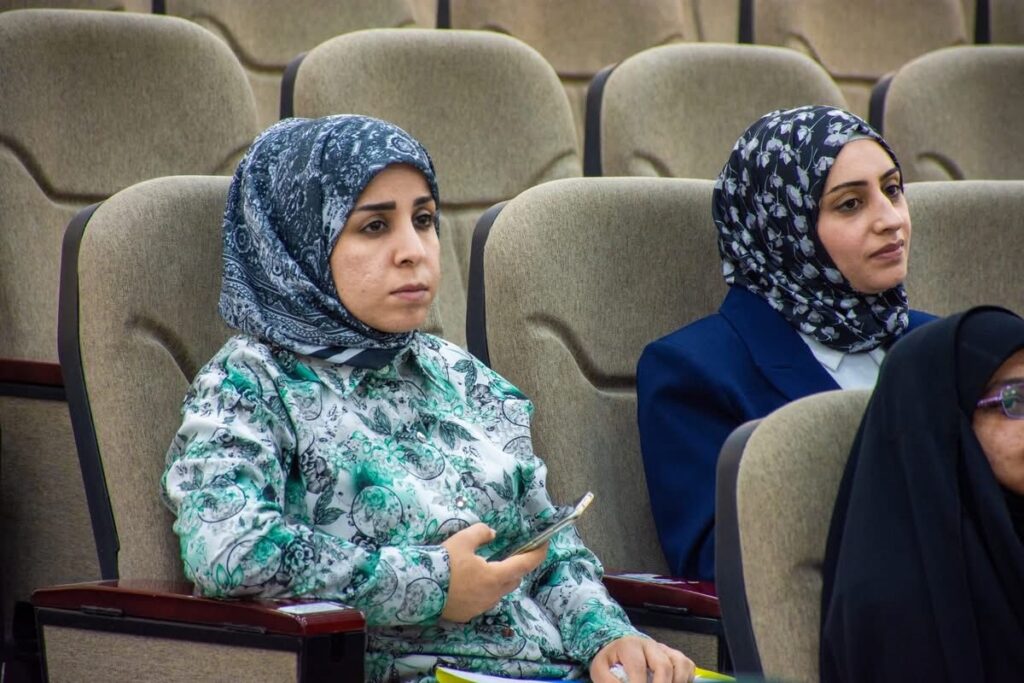
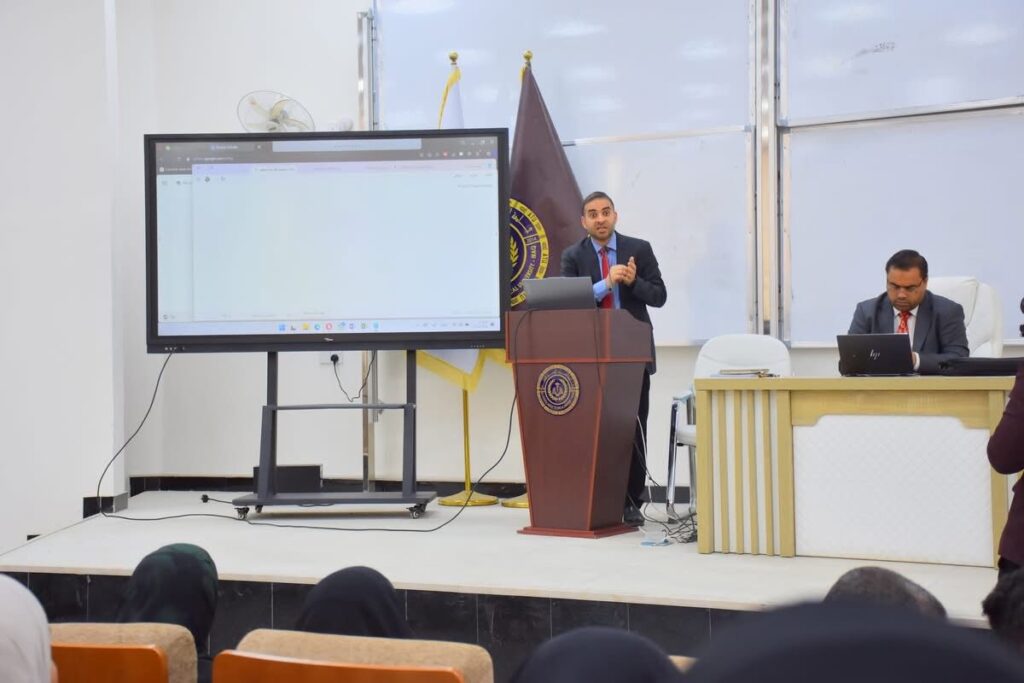
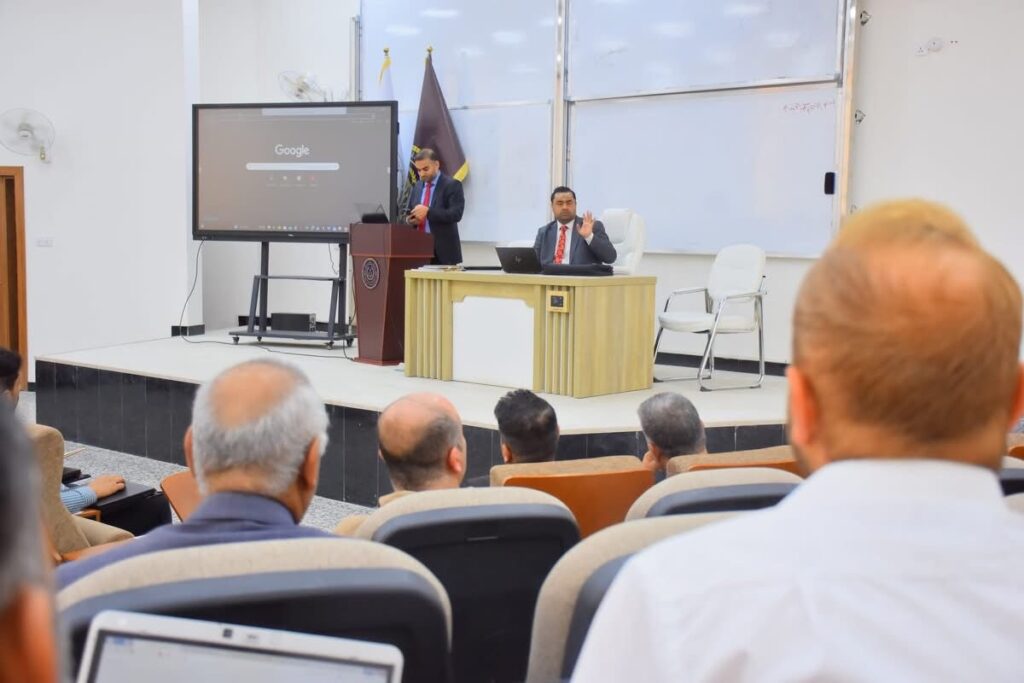
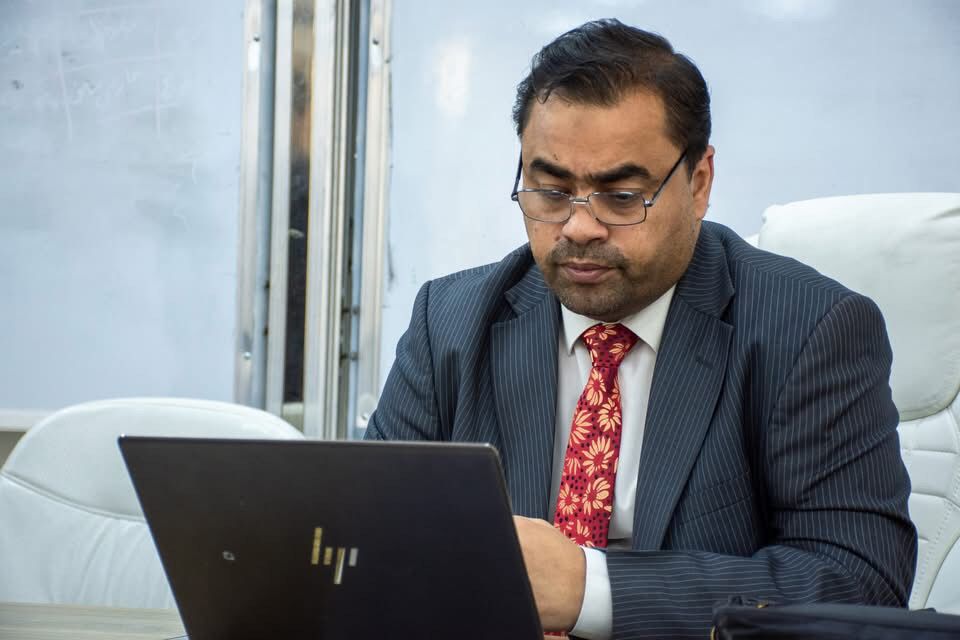
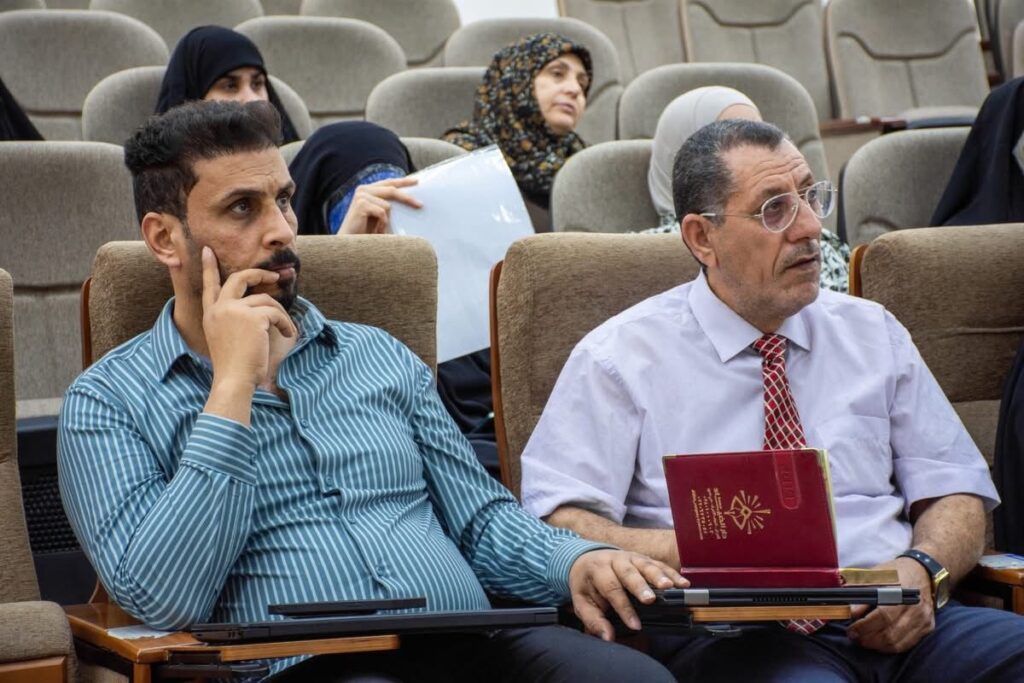
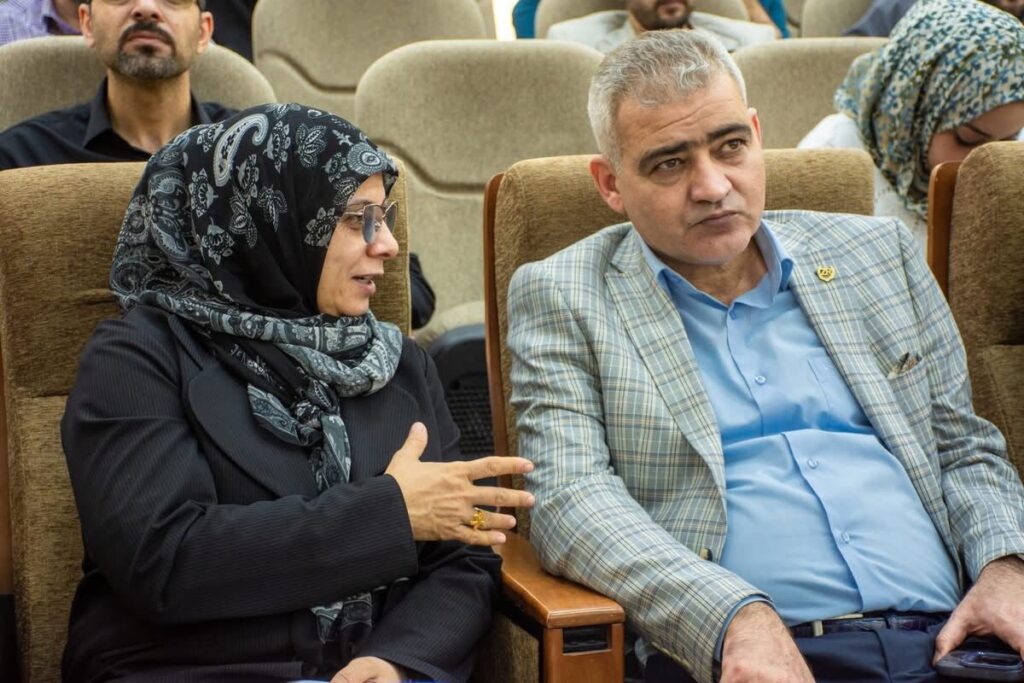
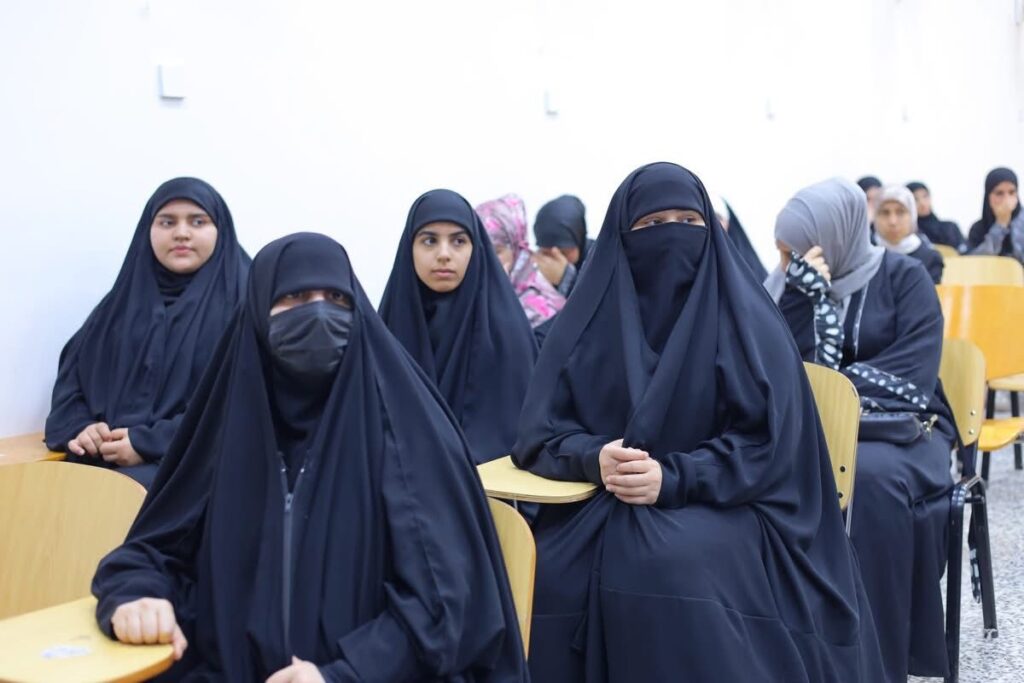
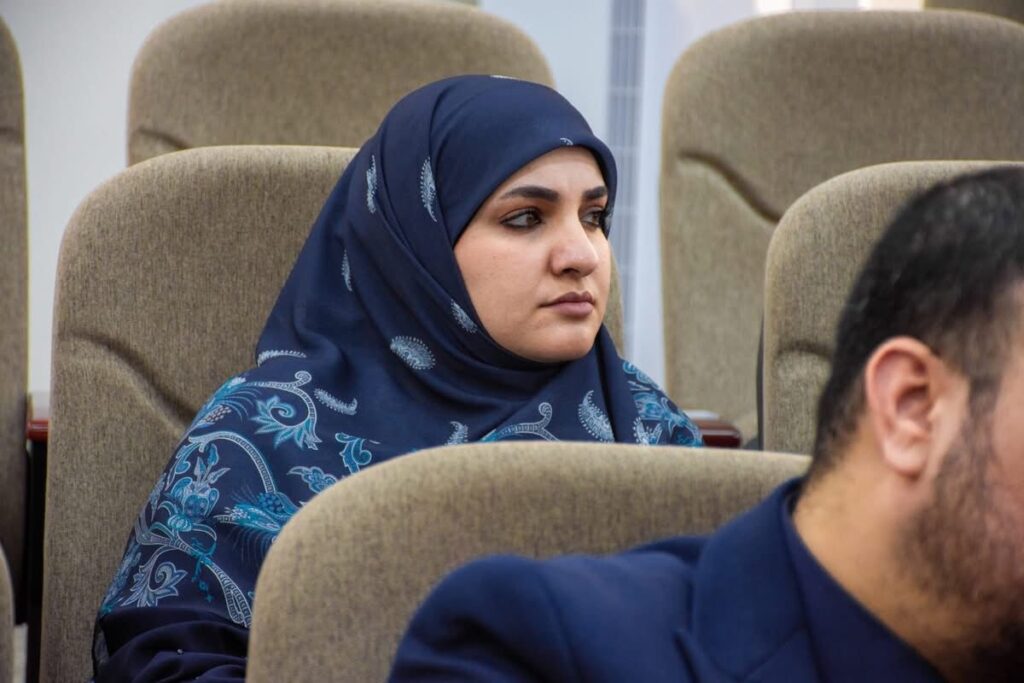
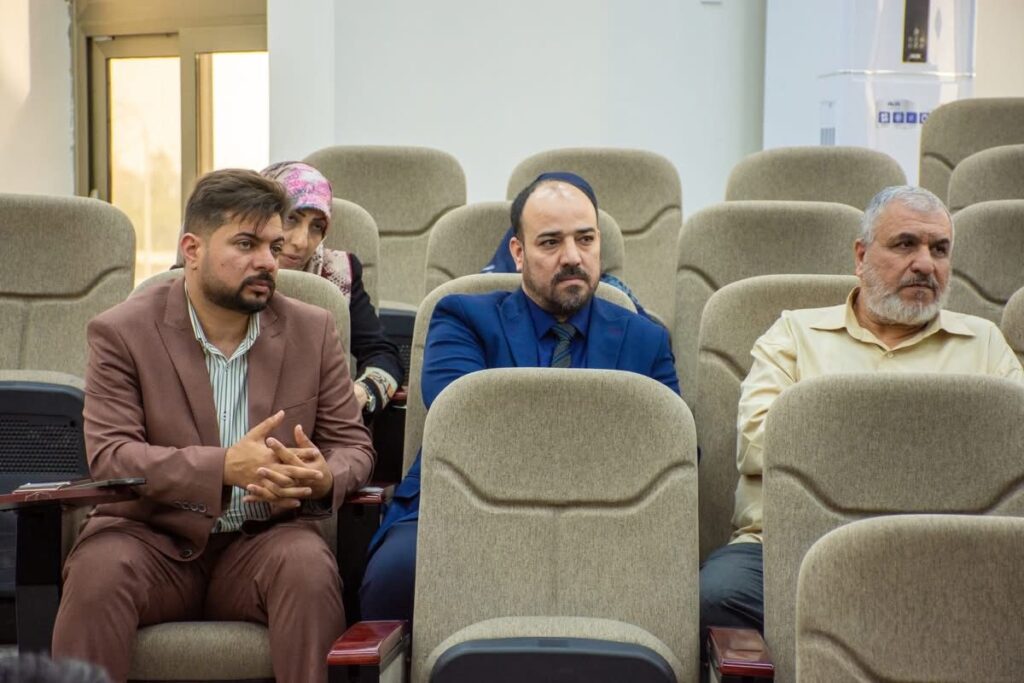
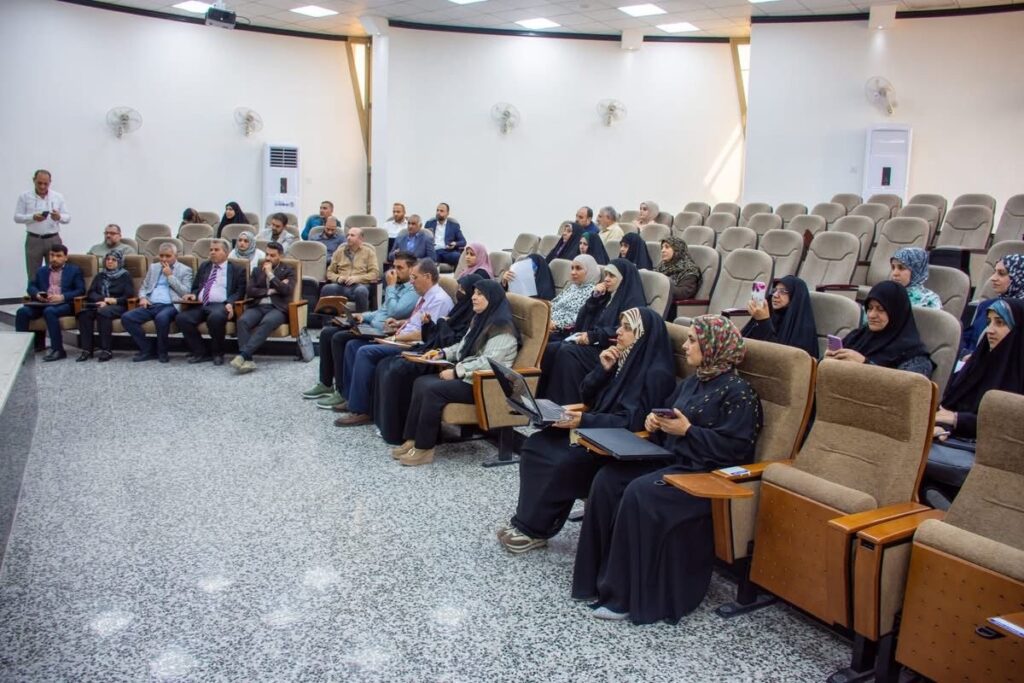
Under the direction of the Dean of Najaf Technical Institute, Professor Dr. Haider Al-Abdali, the head of the Academic Promotions Unit at the Institute, Assistant Professor Dr. Firas Fadel, organized a workshop on Thursday, March 19, in the Scientific Complex Hall, explaining how to create a digital academic researcher identity.
The workshop highlighted the importance of researchers having digital identifiers with various names and institutional affiliations based on the digital repositories they host electronically. It also highlighted the importance of researchers participating in academic networks to communicate with specialists and peers with similar research interests, as well as to promote the researcher’s academic reputation and showcase their scientific and research output. During the workshop, the lecturer explained “how to obtain digital identifiers, whether by creating them by the researcher, as is the case with Google Scholar, Publons, or Research Gateway, or by registering them in digital repositories based on their academic research, as is the case with Scopus, of course.” The lecturer also highlighted “the importance of joining academic networks that publicize researchers’ diverse scientific and research activities, such as the Research Gateway network, and how to join them and improve a researcher’s profile within them.” He explained the consequences of name similarity when publishing for researchers and how to overcome this problem by having an ORCID ID as a researcher and contributor in general through the ORCID website. The lecturer explained the importance of these identifiers, as they reflect the researcher’s reputation as a contributor to scientific output, in addition to being a scientific evaluator within scientific journals in both general and specific specializations. He also explained their participation in scientific journal boards, whether through the editorial boards or management of these journals. The researcher’s reputation as a researcher, reviewer, and editorial board member will also be reflected in journals, namely Publons, which is part of the Web of Science Group’s output under the Clarivate Analytics container. In a related context, the lecturer also reviewed the importance of integrating multiple researcher accounts into the Scopus container and the evaluation criteria for researcher impact, including collecting citations and H-Index, and how to strive to increase their digital readership in a proper academic manner. He also discussed the criteria for each journal, such as Cite Score or Impact Factor, as well as the evaluation criteria for published research, including SNIP as a criterion within Scopus, among others. The lecturer pointed out the importance of publishing in highly ranked journals, especially since the annual faculty evaluation form assigns significant weight to academic research activity and publication in journals with a Citescore greater than one, as this score accounts for 75% of the overall score for the academic activity axis.
The Dean of the Institute, Professor Haider Al-Abdali, emphasized the importance of digital identities for researchers and called on all researchers at the Institute to create digital research accounts. He praised the workshop organized by Dr. Firas Fadel, noting its role in clarifying the importance of digital identifiers for researchers and their impact in highlighting their scientific achievements.
The workshop concluded by emphasizing the importance of digital identities for researchers in the modern era and their role in enhancing their academic visibility and increasing their scientific impact. It recommended that researchers adopt these digital tools to maximize the benefits of their research output and expand the scope of their collaboration with the scientific community