Government Communication and Media Division/Najaf Technical Institute.
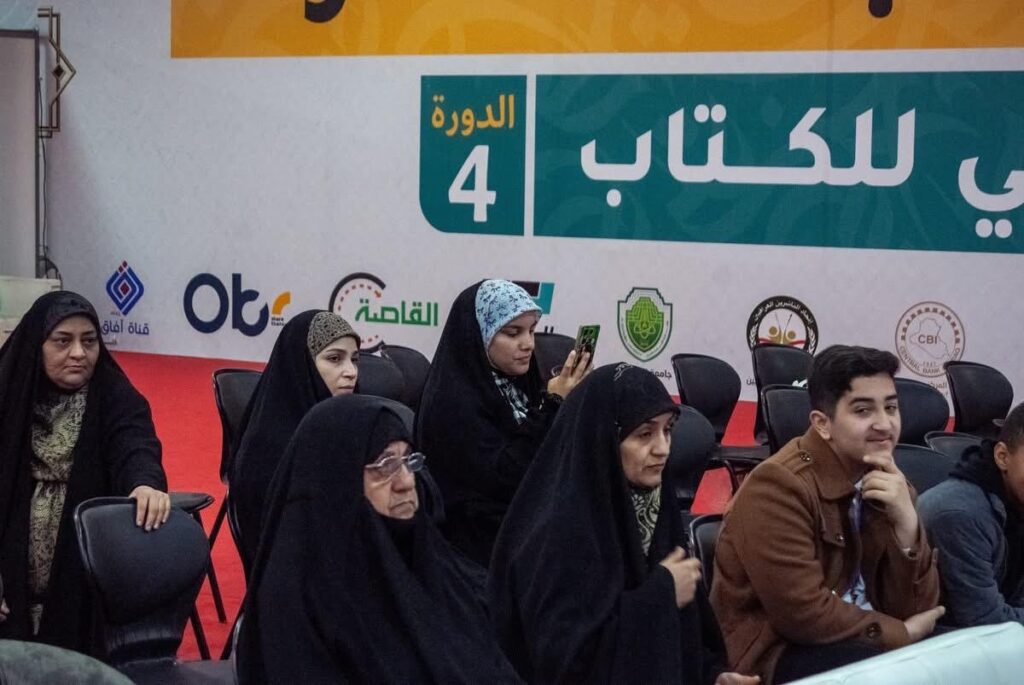
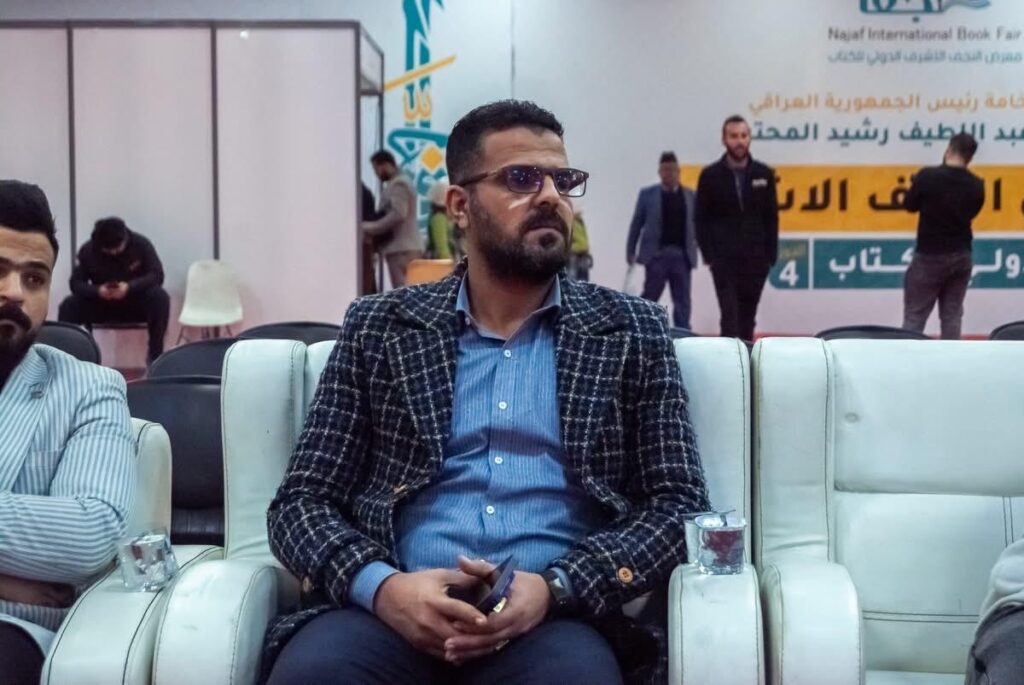
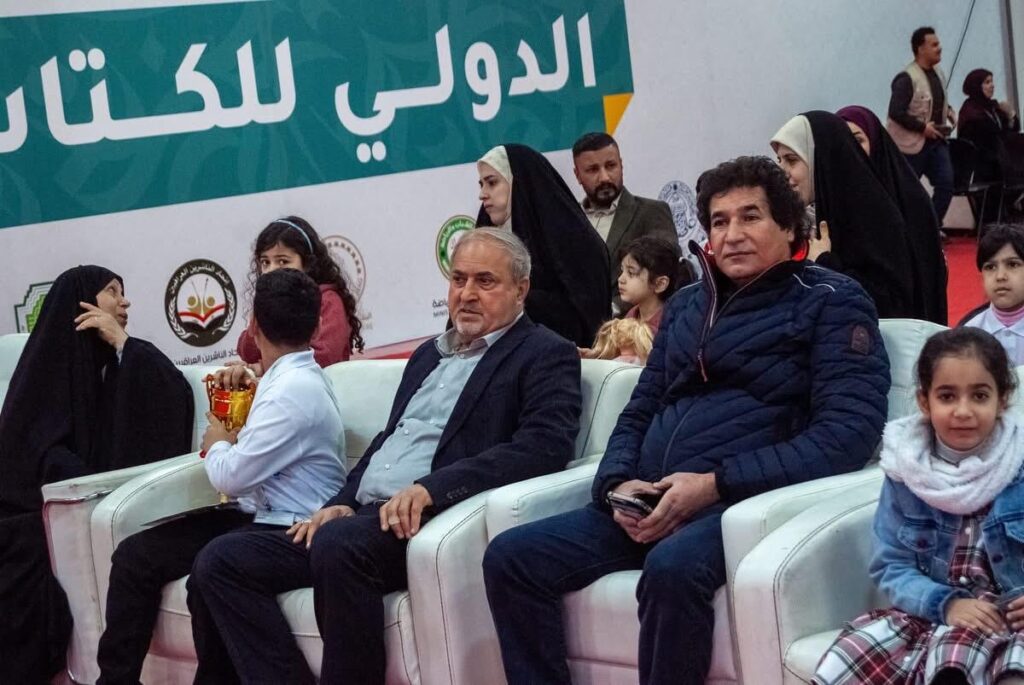
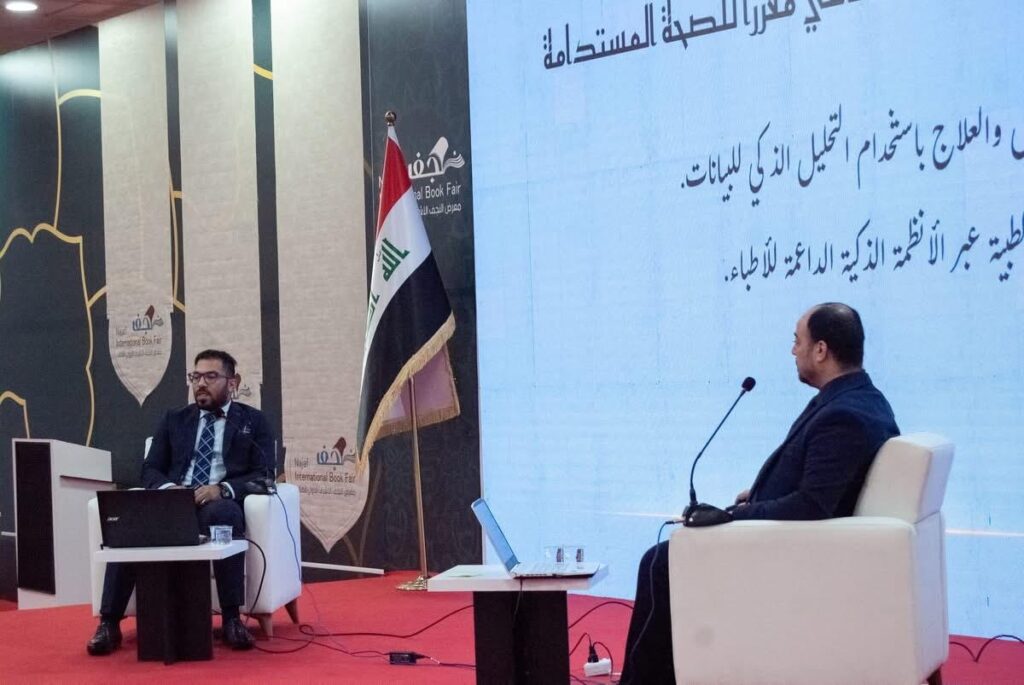
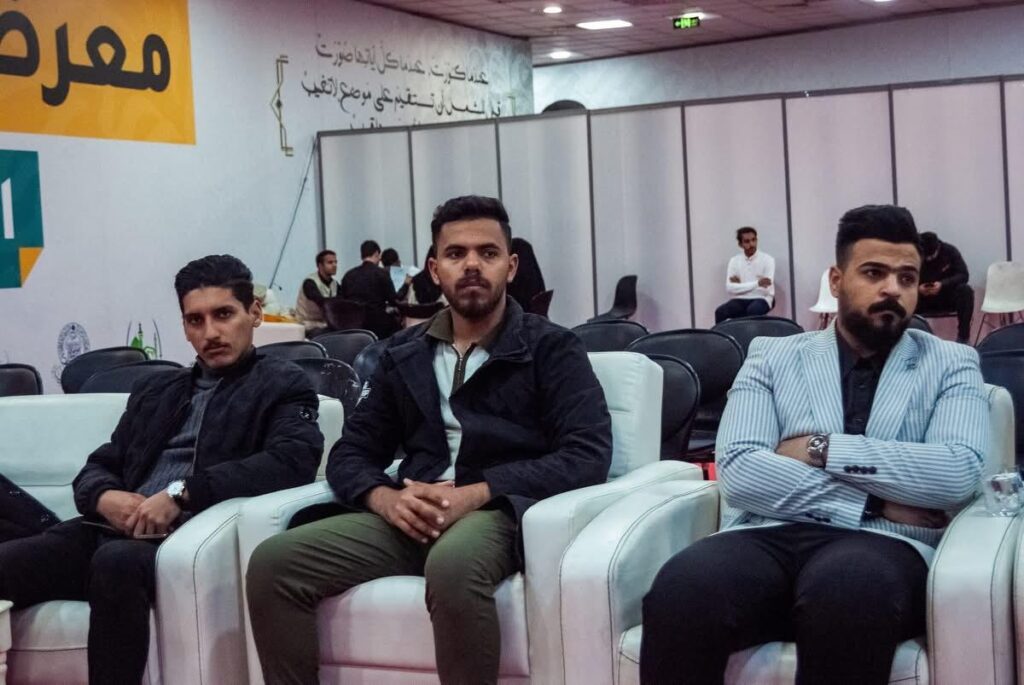
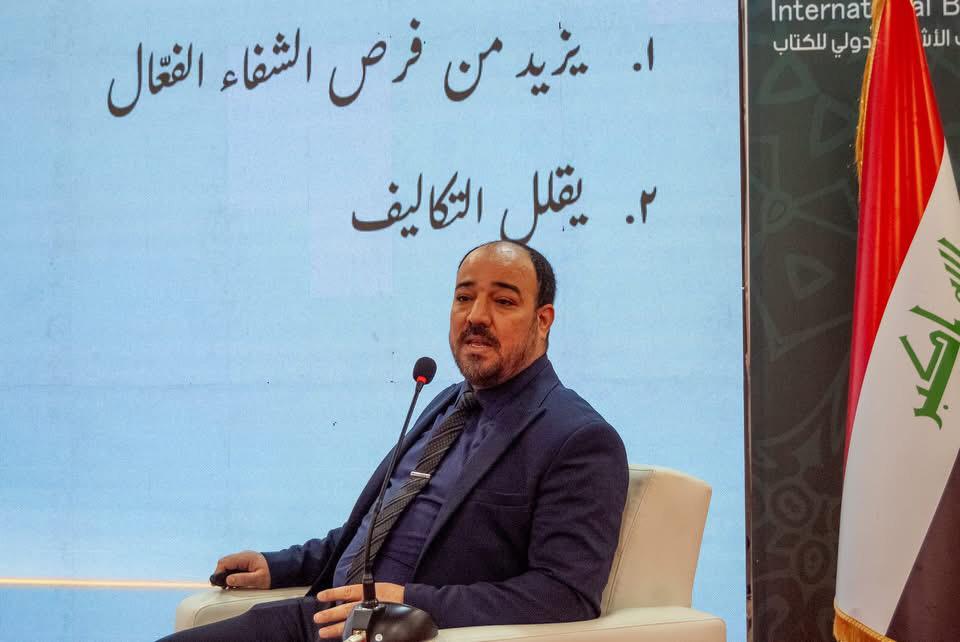
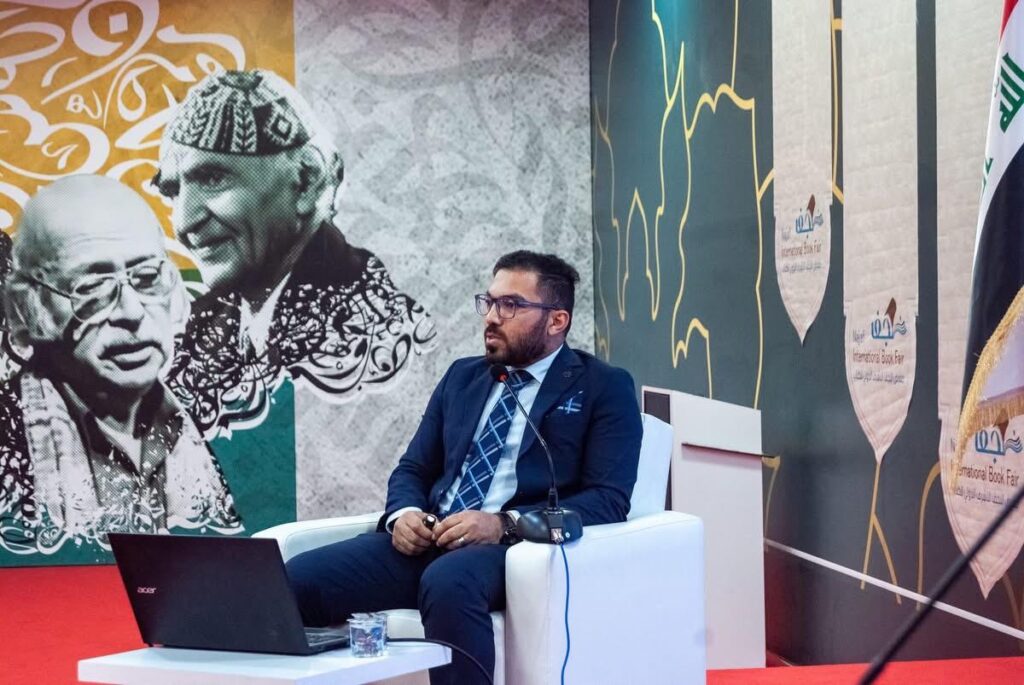
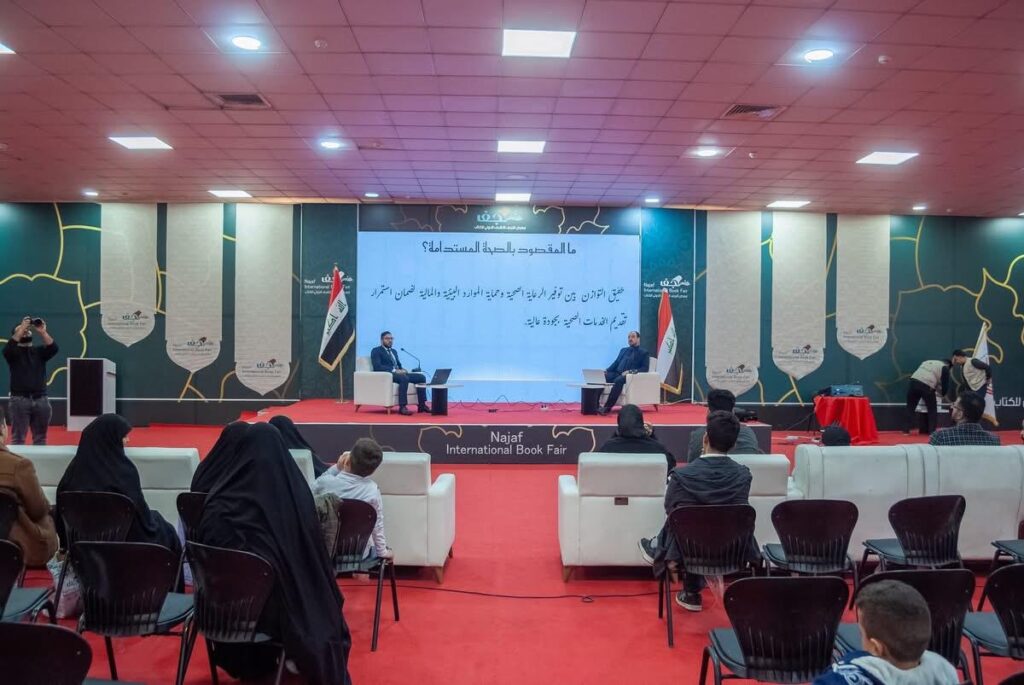
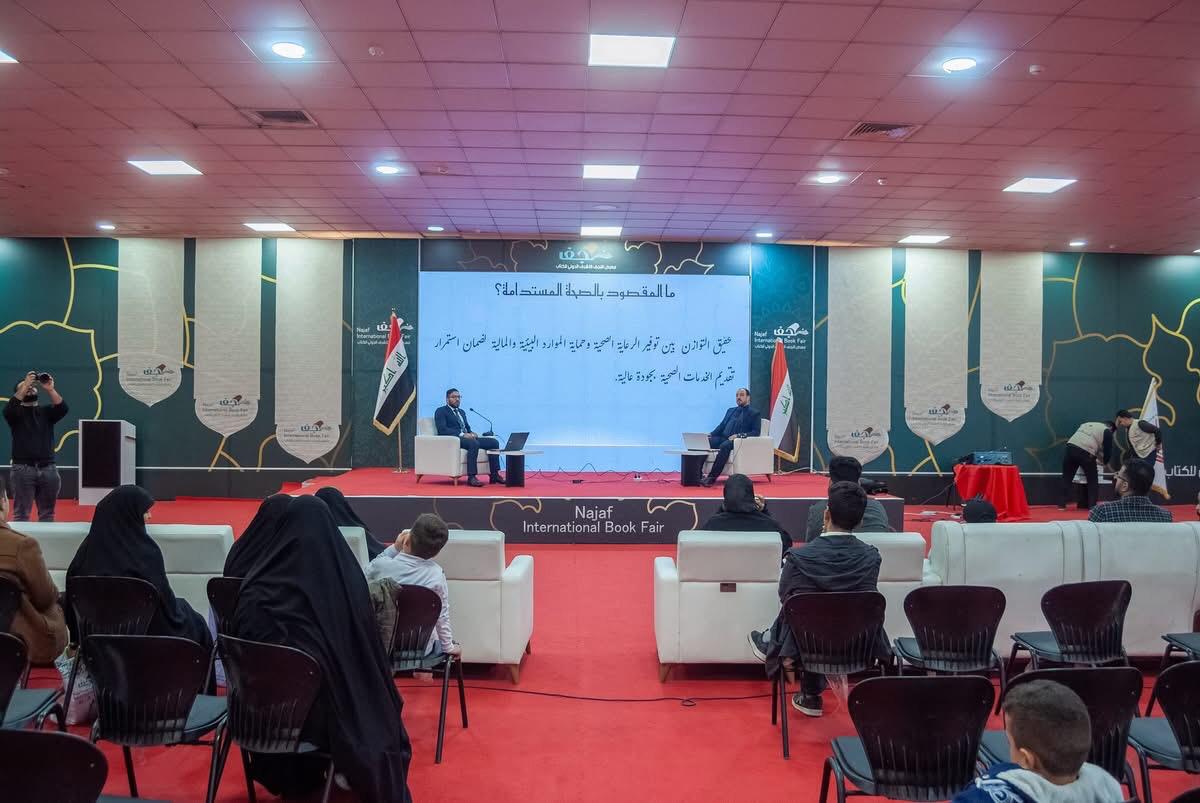
Under the direction of the Dean of Najaf Technical Institute, Professor Dr. Haider Hassan Al-Abdali, Najaf Technical Institute/Department of Computer Networks and Software Technologies organized a scientific symposium entitled “Artificial Intelligence for Sustainable Health” as part of the activities of the Najaf International Book Fair in its fourth edition, which was delivered by both Lecturer Dr. Issam Haider Majeed and Lecturer Engineer Falah Hassan Ne’ma.
The symposium aimed to shed light on the role of artificial intelligence in promoting sustainable health and exploring its applications in diagnosis and health care, in addition to discussing the challenges and opportunities facing its application in the medical field. The symposium addressed several topics, including artificial intelligence and its importance in achieving sustainable health, where it reviewed how to improve health services through intelligent analysis of data and reduce medical errors. The symposium also discussed the role of artificial intelligence in early diagnosis of diseases such as cancer and heart disease through the analysis of X-ray images and magnetic resonance imaging, in addition to discussing the challenges associated with its applications in medicine, such as protecting patient data, health legislation, and training medical personnel. The two lecturers presented an in-depth viewpoint on the impact of smart technology on the health sector. The Dean of the Institute, Professor Dr. Haider Hassan Al-Abdeli, also praised the efforts made by the Department of Computer Networks and Software Technologies in organizing this symposium, and the role played by the two lecturers, Lecturer Dr. Issam Haider Majeed and Lecturer Engineer Falah Hassan Nema, in providing valuable and useful information to the attendees. Al-Abdeli also stressed the importance of supporting research and development in medical artificial intelligence technologies, and enhancing cooperation between health and technological entities, to ensure the achievement of a more sustainable and efficient health system. The symposium concluded by emphasizing the importance of supporting research and development in medical artificial intelligence technologies and enhancing cooperation between health and technology entities to ensure a more sustainable and efficient health system.